
The factory comes to the drones.

Where the drones are used, a production cell prints the parts for each STURM 01 and the module mounts its mission needs. A pre-configured kit is assembled with them. Three sizes, one process.

Print, assemble, fly. The print sets the pace.

The printer makes the parts for each drone. While the next set prints, the drone before it is assembled. No soldering.

  1. 20min

    Print

    The printer prints the parts and module mounts. The print sets the pace.

  2. 10min

    Assemble

    The kit is assembled with the printed parts, while the next set prints.

  3. 20min

    Fly

    After the first drone, one every 20 minutes.

One Tactical Case builds 70+ drones a day.

Design rate, calculated from the 20-minute cycle. Each mark is one drone.
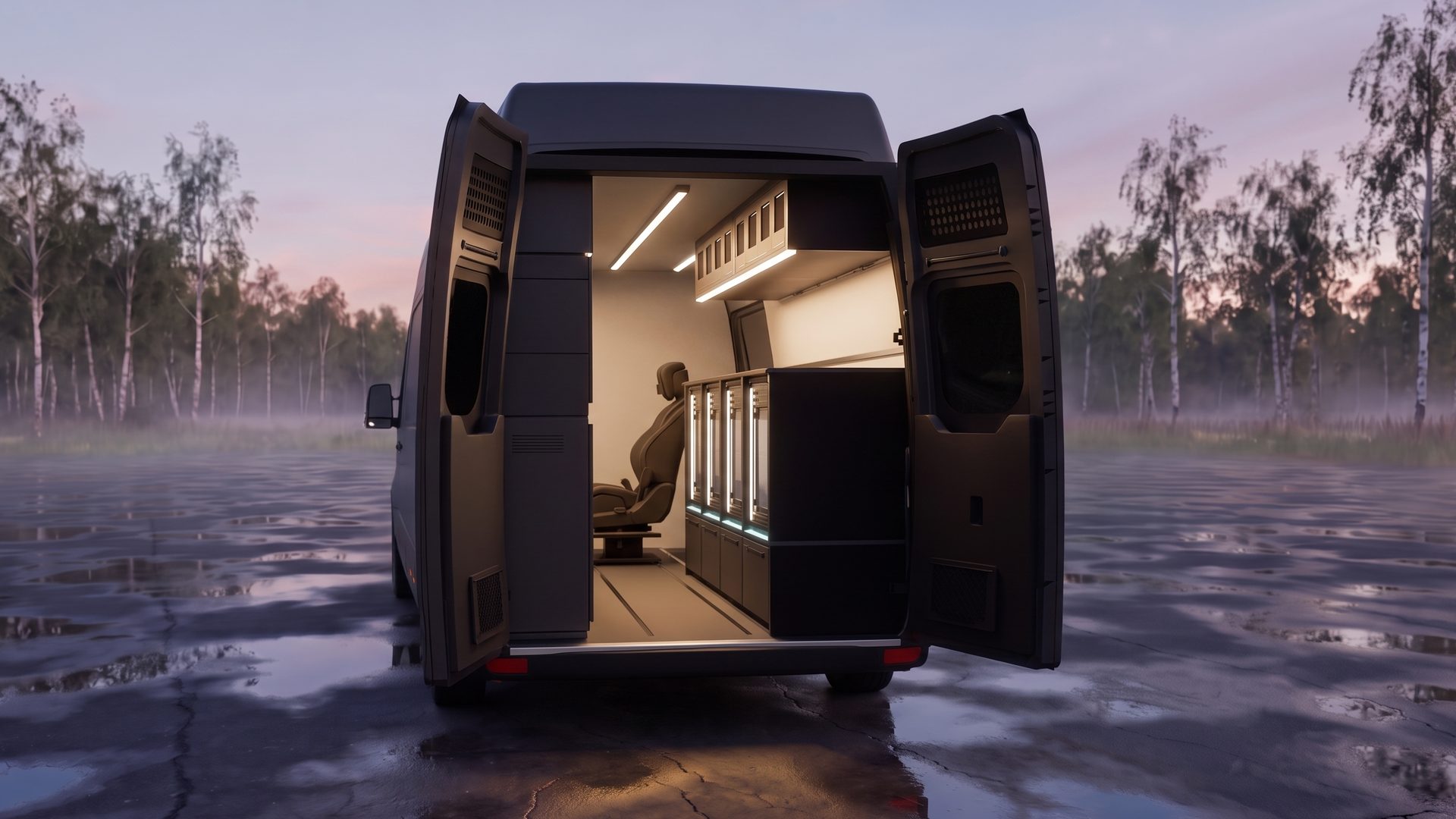
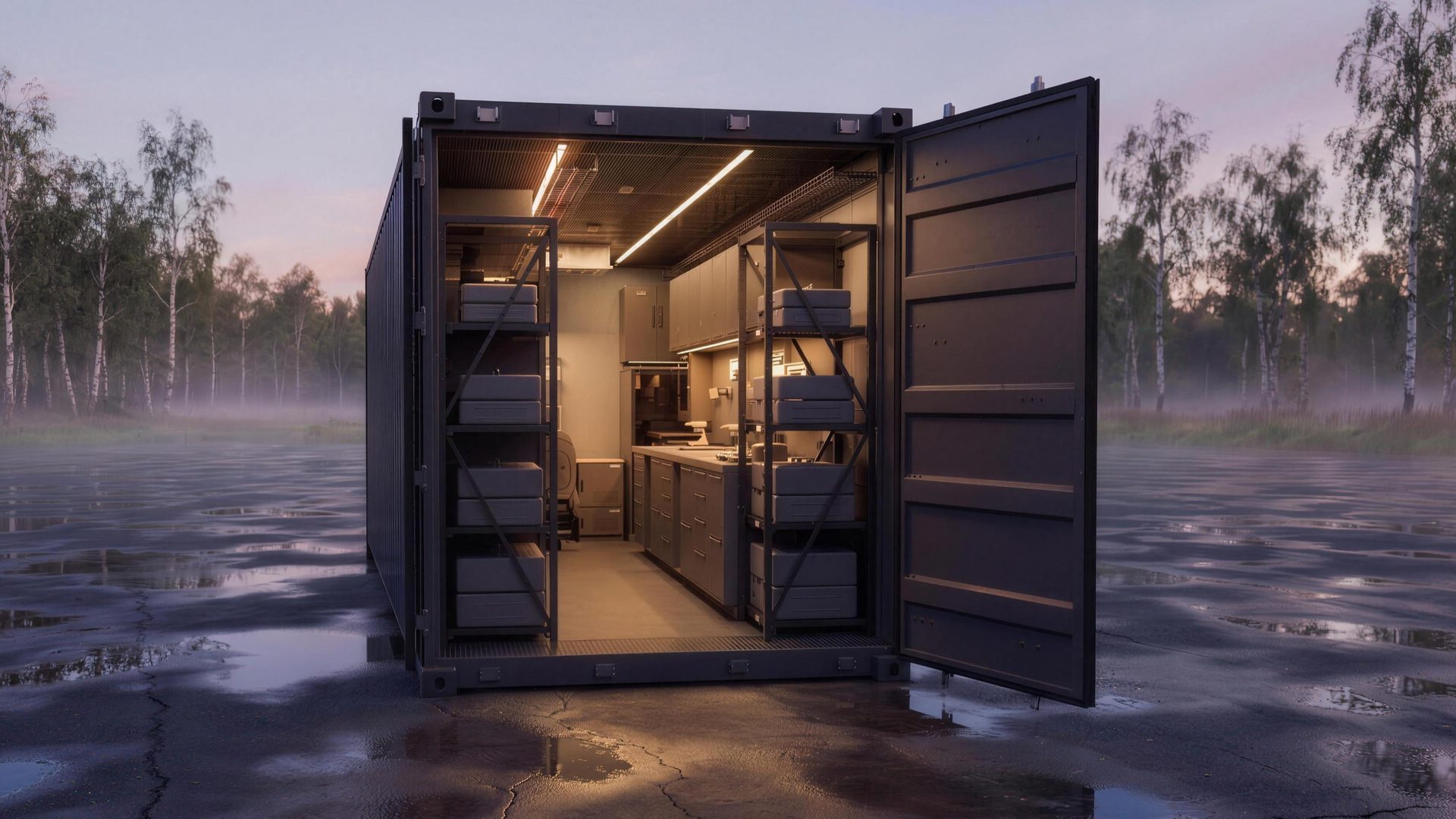
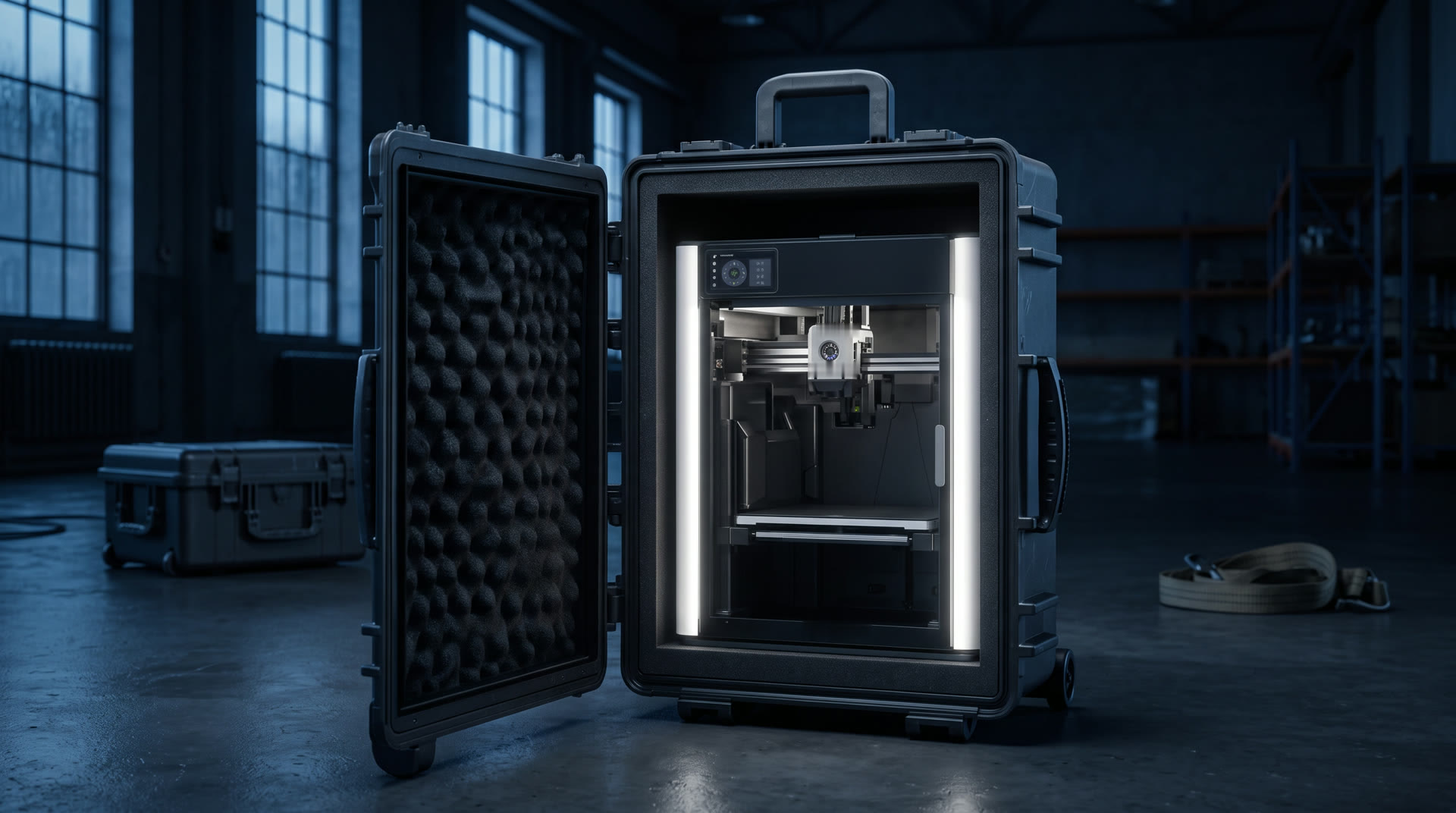
Upright rugged case with its front door open and a 3D printer built into the interior, in a dark hall. Tactical Van at dusk by a birch wood, both rear doors open; inside, a row of lit 3D printers and an operator seat. Tactical Container at dusk, doors open, lit workshop with shelves and workbenches inside.

The three production cells

A rugged case with a 3D printer built in. One operator. It goes where the drones are used.

Output
70+ drones / 24 h design rate
Cycle time
20 min per drone
Operators
1
Deployment
Carried

Several assembly stations in a road vehicle. It drives to the operation.

Output
120+ drones / 24 h
Operators
2 to 3
Deployment
Mobile, self-driven

Several assembly lines, run by one team. It stays at a fixed site.

Output
200+ drones / 24 h
Operators
Multi-line team
Deployment
Stationary, networked

Inside the cells.

Printers on one side, assembly and ground control on the other. Kits come in, finished drones leave in closed cases.
Up to four printers, a ground control station and an operator seat on floor rails. Kits through the sliding door, cases out through the rear.

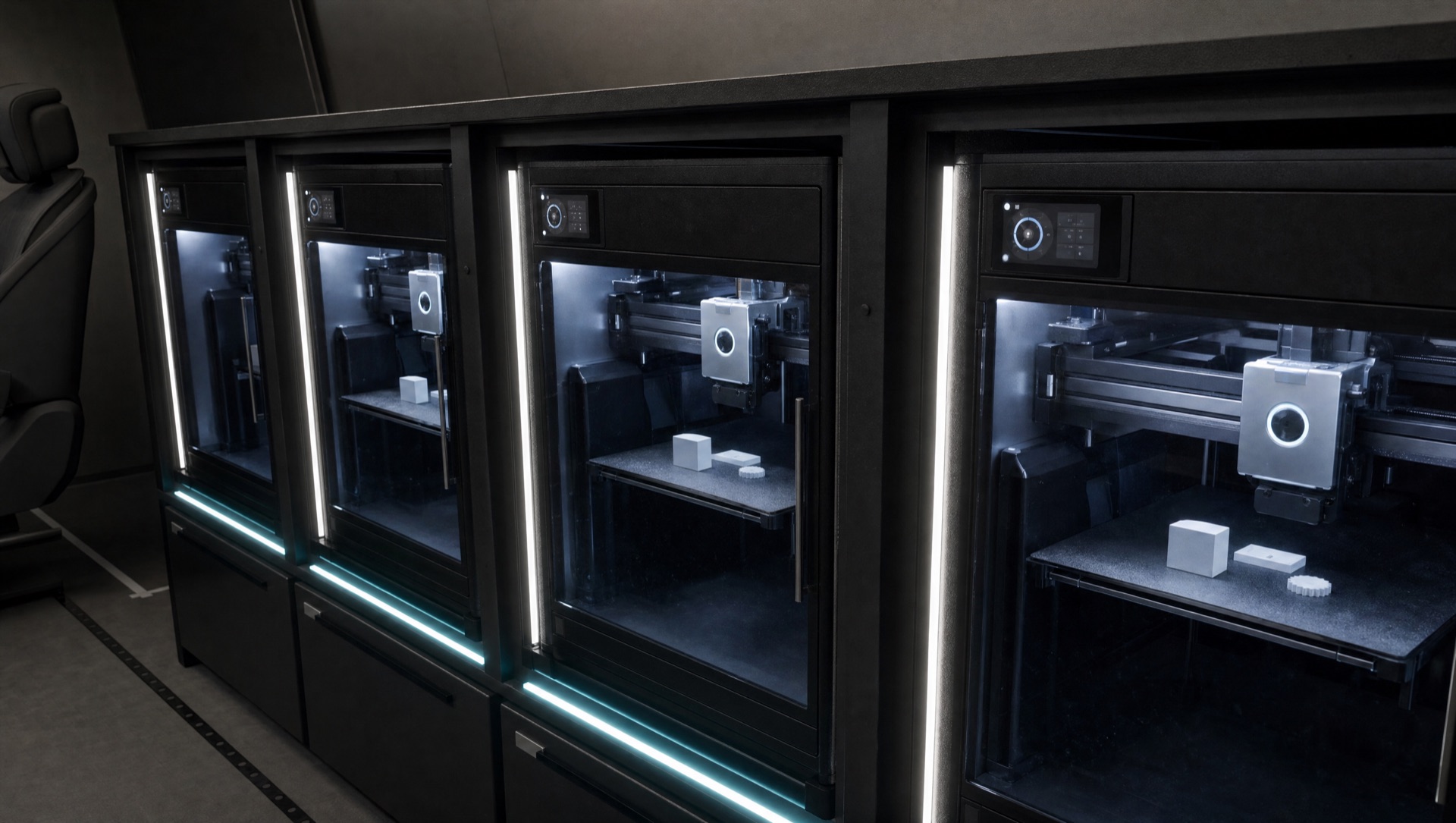
Four enclosed 3D printers in lit niches along the van wall, printing small parts.
Print bayUp to 4 printers · built in
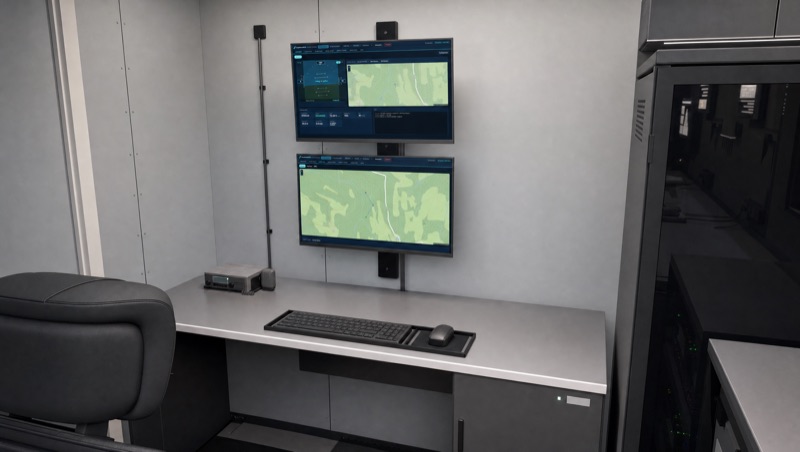
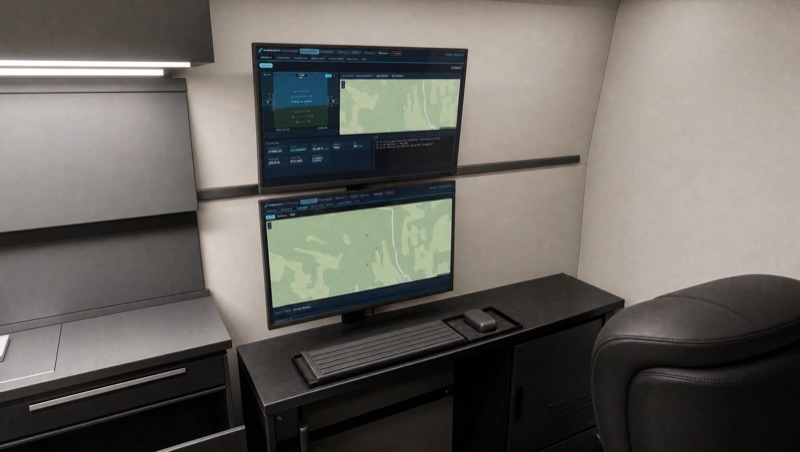
Ground control station: two stacked monitors on the van wall showing the DropForce ground control software.
Ground control2 screens · own software
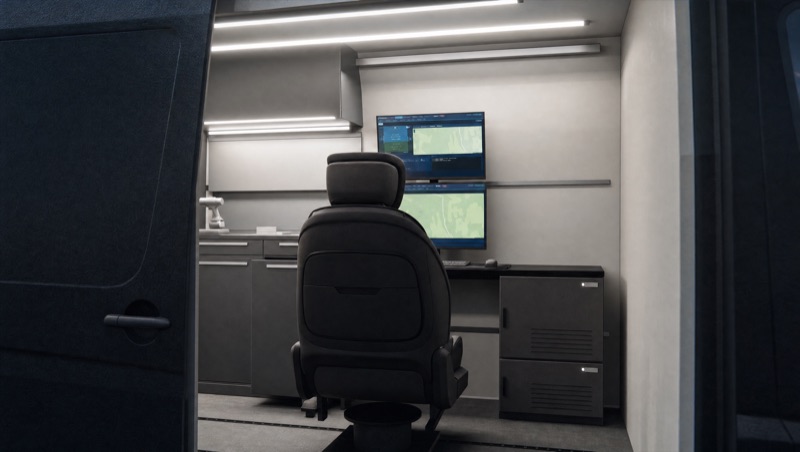
View through the open sliding door: operator seat on floor rails facing the ground control station.
Operator seaton floor rails · swivels
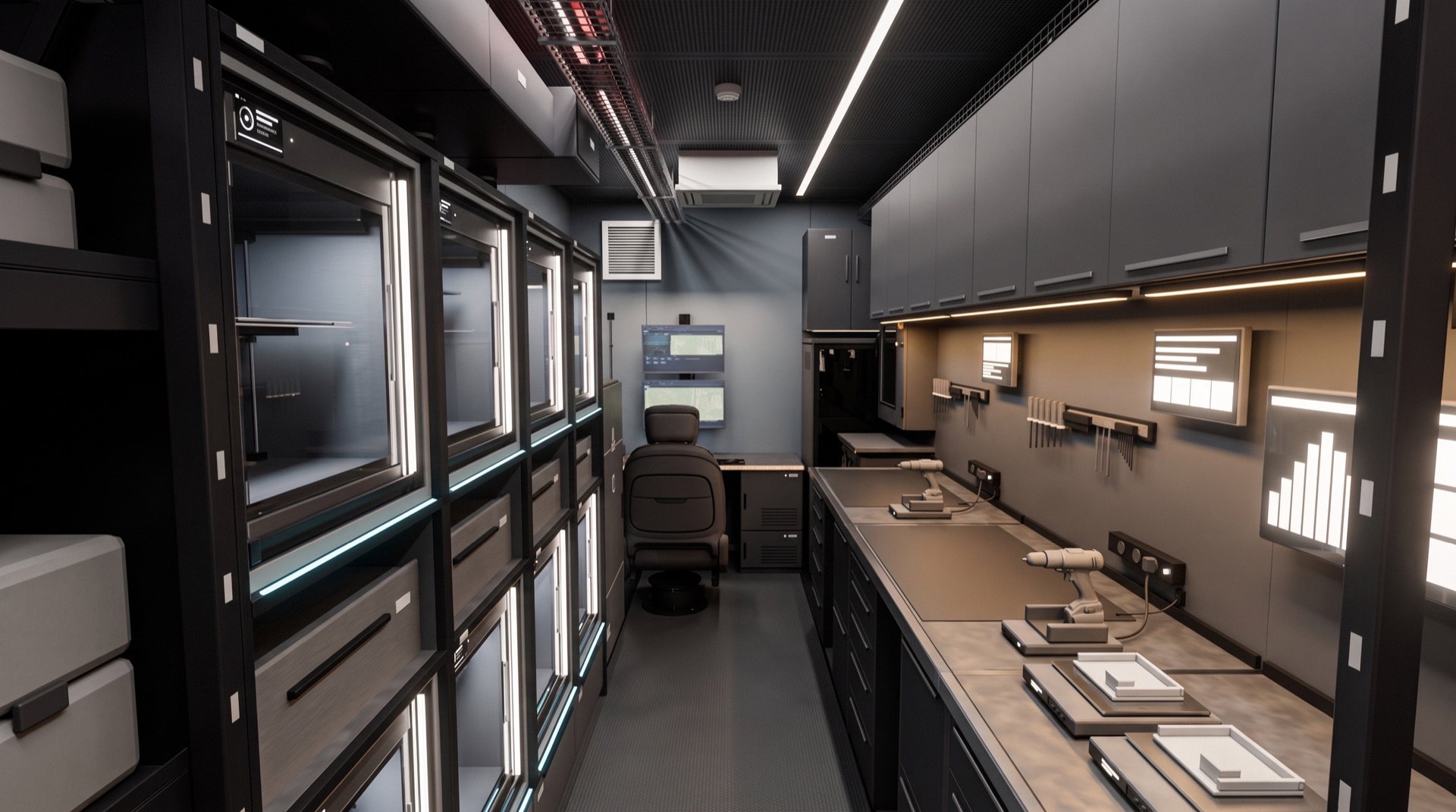
Inside the container: a two-tier wall of lit 3D printers on the left, workbenches on the right, the control desk at the far end.
Two linesUp to 8 printers · 2 benches
Ground control station at the far end of the container: two stacked monitors showing the DropForce ground control software, desk, seat and server rack.
Ground control2 screens · server rack
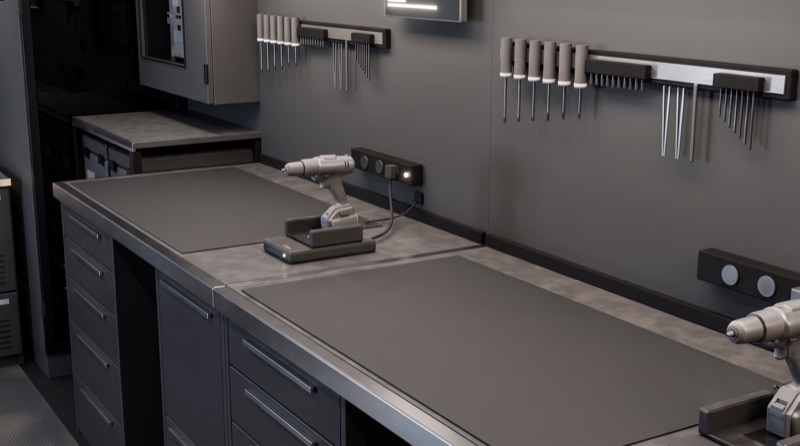
Two tidy assembly benches with cordless screwdrivers on charging docks.
Assemblyone bench per line

Centralised production has one address.

A fire, a flood, a cyberattack or a power outage at that address can stop it. With cells at several sites, one outage stops one site. The others keep producing with the kits they hold.

Questions about the production cells.

What does “20 minutes per drone” mean?
It is the cycle time. Printing the parts for one drone takes 20 minutes and sets the pace. Assembly takes about 10 minutes and runs while the next set prints. The first drone after start-up takes about 30 minutes, because print and assembly run one after the other. After that, one drone follows every 20 minutes.
Does assembly need soldering or special tools?
Assembly needs no soldering. The kit is assembled with the printed parts.
Where do the components come from?
STURM 01 flies on an integrated flight-controller and ESC board that we design in-house. It is manufactured in Europe. Most other components come from European suppliers. The flight stack is open source.
What does a briefing cover?
A briefing covers the production cells and STURM 01, including prices and delivery times. It takes place in person or in a call. Performance data is provided under NDA and is part of a technical briefing. DropForce is open for pilot projects.

Briefings on the Tactical Case and STURM 01, in person or in a call.

Request a briefing